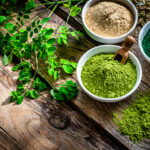
What Is Spirulina and Is It Effective?
Spirulina is a blue-green algae. Spirulina is one of the oldest living substances on earth. It is typically gathered from bodies of water like lakes or grown in ponds. Spirulina gets its name from the genus Arthrospira, with “arthro” meaning “joint” and “spira”. “Spiral,” because of its spiral form. The ancient Aztecs were the first to identify spirulina’s nutritional qualities. It was thought to help endurance athletes survive long races and treat numerous ailments. Spirulina promotes good health and well-being.
Because of its high concentration of macronutrients, vitamins, and minerals, spirulina has become a part of the meals served to astronauts. It helps to ensure that astronauts get a healthy meal on missions with a lot of stress and activity. It’s no surprise that spirulina has made its way into the health arena, as it’s packed with nutrients and has a sky-blue, eye-catching hue.

How to Add Spirulina to Your Diet
Spirulina, commonly combined into yogurts, smoothies, and juices, is called a “superfood” due to its high concentration of minerals and antioxidants. Spirulina is becoming increasingly popular because of its bright “green” color. It is also well-known for being good for your health. Are the nutritional advantages of spirulina worth including in your diet? Speak to a licensed dietician and understand the science behind the product.
What Does the Research Say?
Spirulina grows in both fresh and saline water, research backs up many of its health claims. A tablespoon of dried spirulina powder gives you copper, iron, potassium, and several B vitamins. Spirulina has omega-6 and omega-3 fatty acids. Both are essential for the health of the heart and brain.
May Help Prevent Oxidative Damage
Spirulina may lessen the risk of heart disease by reducing triglycerides and LDL (bad) cholesterol while increasing HDL (good) cholesterol. One gram of spirulina per day may reduce triglycerides and LDL cholesterol in one trial of people with high cholesterol.
The environment’s oxidative damage can injure cells and contribute to chronic inflammation and cancer. Spirulina is high in antioxidants, which can help protect against oxidative stress. Its main active ingredient is phycocyanin, which can be taken from marine species and used as a healthy meal. It can reduce inflammation and fight cancer, and it is being used to make cancer treatments possible. Spirulina’s blue-green hue is also due to phycocyanin. The health advantages of liquid chlorophyll may reduce the risk of heart disease.

It Can Lower Blood Sugar
Research on animals shows that spirulina may help lower blood sugar, but there haven’t been many tests on humans. A meta-analysis of eight research findings involving people with type 2 diabetes was done in humans. The trials found that spirulina supplementation improved fasting blood glucose levels but had no effect on HbA1C or postprandial blood sugar levels. Spirulina may help reduce fasting blood sugar levels in people with type 2 diabetes, but bigger and longer-term human research is needed.
Muscle Strength and Endurance May Improve
Spirulina has been shown in some tests to make muscles stronger and last longer, and athletes are using it more and more. In one study, spirulina supplementation was studied in trained cyclists. For 21 days, fifteen male cyclists received 6 grams of spirulina or a placebo. They went through a one-hour submaximal endurance test, a lactate threshold test, and many sprint performance tests. The group that took spirulina supplements had less lactate and a much slower heart rate. They also had more hemoglobin. Spirulina consumption may help athletes improve their endurance and power.
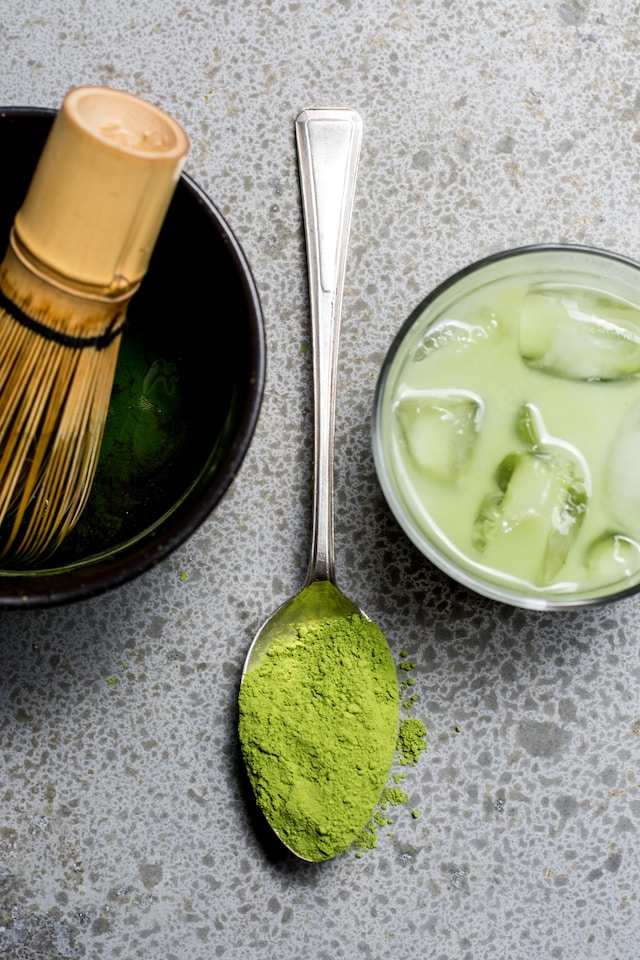
Sports Nutrition Supplements
Even though more research needs to be done, spirulina in powder or supplement form may help lower the risk of cancer, triglyceride levels, LDL cholesterol levels, and morning blood sugar levels. It may also benefit athletes by significantly increasing their muscle mass and making them more durable by providing them with many important macro- and micronutrients to improve their overall health and well-being. Before beginning any new supplements, consult with your healthcare professional.
Is Spirulina Safe?
Even though spirulina seems to be good in general, there are some risks and side effects to be aware of. The FDA does not regulate dietary supplements. The public should always use supplements that have been tested by a third party they can trust.
However, spirulina may be polluted with toxins when gathered in the wild. If the algae grows in water that has heavy metals, bacteria, or microcystins in it, it may become poisonous. Blue-green algae create microcystins to protect themselves from predators. Microcystins, on the other hand, are harmful to the liver when taken in large quantities by humans. Spirulina is grown in environments that are carefully watched so that scientists can look for and get rid of any harmful pollutants.
Dietary Supplements: Advantages and Drawbacks
Since spirulina boosts the immune system, it might not be good for people with autoimmune diseases like lupus, multiple sclerosis, and rheumatoid arthritis. This is because, in these settings, the immune system assaults the body, and spirulina boosts immune system cells that detect a threat. While human data is scarce, one animal study on shrimp shows that spirulina’s immunostimulatory activity may aggravate an autoimmune illness.
Spirulina is not recommended for people who have bleeding problems or who take blood thinners. Spirulina has an anticoagulant effect, which means it can thin your blood and lengthen the time it takes for it to clot. Taking spirulina with a blood thinner might increase bleeding and bruising.
How to Include Spirulina in Your Diet
While it is usually preferable to acquire the majority of your nutrients from food, spirulina can help to fill in certain nutritional gaps or provide an extra nutritional boost. Eat fruits, vegetables, whole grains, proteins, and fats, so you may not need to take supplements. Spirulina has antioxidants, minerals, and vitamins.
Blend it into a smoothie; mix it into yogurt; incorporate it into your favorite energy recipe; mix it in water; or take it as a capsule or tablet.
People who have trouble getting enough protein might benefit from adding spirulina to their diet. While spirulina may not provide all of the protein you require in a day, the amount is equivalent to meat and soybeans. Spirulina has 3 to 9 grams of protein in every 5 to 15-gram serving. To raise your protein consumption even more, mix spirulina powder into yogurt or smoothies.
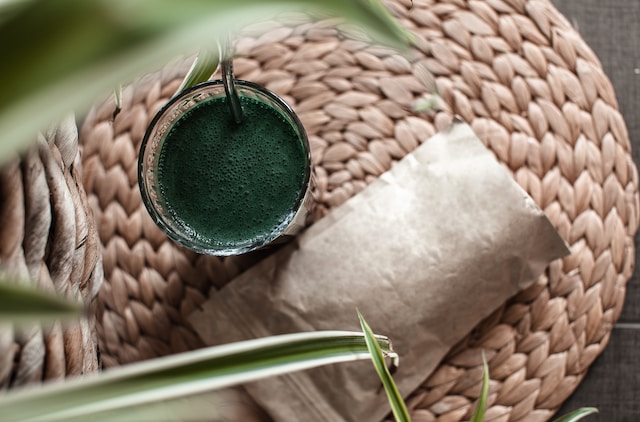
How Much Protein Should You Use?
Some people, particularly vegans, and vegetarians, may have difficulty acquiring enough iron. For people who do not consume enough iron-rich foods, spirulina may be beneficial. As an example: 240 children with iron deficiency anemia were given spirulina supplements or a placebo to ingest for 6 months in one trial. Those in the spirulina group who had iron deficiency anemia got better faster than those in the placebo group. Spirulina might help people who don’t get enough iron from their meals get more iron.
If you want to eat more antioxidants, you might want to add spirulina to your diet as a superfood. There is substantial evidence that spirulina has antioxidant and anti-cancer properties. It can be added as a supplement to a diet full of fruits and vegetables.
Antioxidant Health Benefits
Because of its nutrient-dense profile, spirulina may be a superfood worth including in your diet. However, before including spirulina in your diet, consult with your doctor. It may interact with other medications you are taking or be contraindicated in certain medical conditions, particularly pregnancy.
• Does Spirulina Boost Collagen Production?
There is evidence that spirulina may aid in collagen formation and skin health. Researchers think that spirulina may help make more dermal fibroblast cells, which are the cells that make collagen.
• Is Spirulina Beneficial to Hair?
Spirulina may help hair grow and help treat hair problems like thinning hair and baldness. Spirulina has essential fatty acids, amino acids, and vitamin A, all good for hair growth.
• Can Spirulina be Taken Daily?
Spirulina is generally safe to consume on a regular basis. The recommended daily dose is 1-3 grams, although up to 8–10 grams per day is safe and effective. Speak with a health care practitioner to determine whether spirulina is right for you, and if so, how much and how frequently.