HEALTHY FOODS IN GROCERY STORES
Starting a healthy meal plan at the grocery store might be difficult and time-consuming. When food shopping without a preferred list of grocery items, people commonly need to remember what they went to the store to purchase and leave with something they don’t want or without something they need.
When you plan and cook your meals, you have more control over the components, which can improve the nutritional composition of your meals. Meal planning and preparation can also help you avoid waste and save money and time.
Use These Tips to Help You Navigate The Grocery Store:
Plan Ahead
Before grocery shopping, list the meals you plan to prepare during the next seven days. Next, list the ingredients you’ll need for each dish you intend to prepare over the next seven days.
Follow These Guidelines:
- To save money, check your grocery store’s website for discounts and plan your meals around the meat and veggies on sale.
- Some people may benefit from a shopping list function built into a meal-planning app. Mealime and ChefTap are two well-known apps.
- Locating appropriate shopping/health apps to do grocery shopping makes people more likely to buy healthier foods.
- Examine your pantry. A well-stocked pantry simplifies meal preparation. Avoid duplication of shelf items. Check to see what supplies you already have and what needs to be re-stocked on your shelf. Make a short list of all the spices you plan to use.
Get Your List in Order
- Consider the design of your neighborhood grocery store. Most diets start with produce and then move on to meat and dairy. By generating a list of the products you need for each aisle, you can navigate the supermarket more efficiently and with fewer impulsive purchases.
Choose a Quiet Hour
- Shopping for groceries during peak hours can be difficult and time-consuming. When you shop on a weekday early in the morning, late in the afternoon, or in the middle of the day, the aisles will be easier to navigate, and the procedure will take less time.
When You’re Hungry, Don’t Shop
- Shopping on an empty stomach is generally not a good idea if you have a history of buying things you wouldn’t normally consume, such as sweets and candy, while you are hungry. This can help you save money while also maintaining your health-related goals. Consider having a quick snack before going shopping or leaving immediately after eating.

The Floor Plan is Known
- Fresh fruit, seafood, meats, and dairy products are located along the store’s perimeter. The center aisles are spots where highly processed items are higher in fat, sugar, and sodium. These aisles need to be avoided.
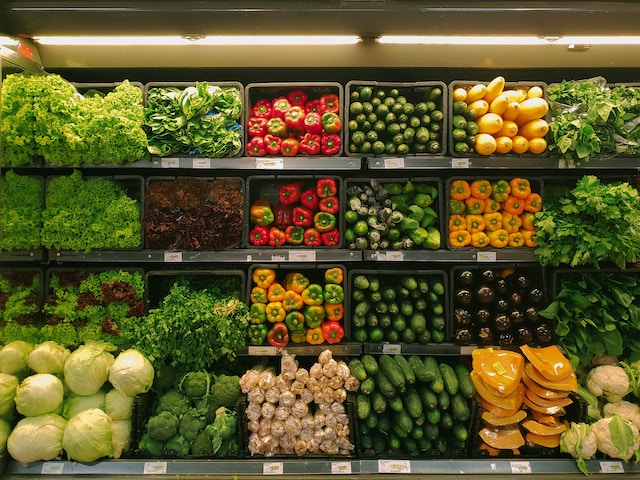
Begin at the produce section of the supermarket. Choose firm, ripe, and immaculate fresh fruits and vegetables. Be wary of mold, especially on berries and other closely packed vegetables.
Don’t Go Overboard
- Purchase only the fresh produce you need over the next few days to avoid having your fruits and vegetables expire in the fridge. If you need to keep fruits and vegetables for a longer length of time, buy them frozen.
Check for Freshness
- Look for premium chicken, seafood, and meat. Follow your nose because the meat’s color is not the best indicator of freshness. Seafood and meats should have a clean, fresh aroma. The flesh should be firm and not slippery or sticky.
- Take some clear plastic bags from the produce aisle to the meat section. Although raw meat should be secured and covered, leakage can nevertheless occur. Place each item in a separate bag to avoid raw meat juices contaminating the rest of your store purchases.
Frozen Food
- Frozen fruits and veggies can be nutritious as fresh foods and remain longer in your freezer. Furthermore, while these items are at their freshest, they are commonly flash-frozen.
- Frozen meat, poultry, and fish can be handy in meal preparation. Look for serving sizes that are individually packaged. Unlike fresh food, which must be consumed quickly before it spoils, frozen food does not.
- Beware of Bulk Products.
- Save money by purchasing in bulk. This can be a means to save money and stock up on healthy staples. Bulk purchases, on the other hand, may have disadvantages. Bulk buying can cause over-purchasing and product waste. Think and strategize before purchasing in bulk.
- If you haven’t tried something before, don’t overpay because it’s on sale. Also, avoid buying too many trigger foods. To prevent boredom, search for shelf-stable necessities and items that can be frozen.
Remember to Take Calcium
- Calcium can be obtained through low-fat dairy products. If you can’t or don’t want to consume dairy, look for calcium-rich foods like green leafy vegetables or dairy replacements like nut-based milk or yogurt, fortified oat milk, and tofu products.
Choose Healthier Grains
- Most people’s diets consist primarily of bread, rice, and cereals. When possible, pick whole grains; at least half of your daily consumption should come from them. Consume whole grains, including brown rice, tortillas, oats, popcorn, whole-grain cereal, bread, and pasta produced entirely from whole grains.
- Also, try some unusual whole grains. Millet and farro, for example, are flavorful and filling grains.
View Labels
- Food packaging can be deceptive. Even though it claims “natural” on the front, the ingredients list discloses that it has a lot of added sugar and fat. Before settling on a brand, review numerous items on Nutrition Facts labels and ingredient lists.
- It’s critical to read labels if you’re on a diet or trying to lose weight. You must read the information on the side or back of every packaged food product.
Online Purchasing
- Many supermarkets now allow customers to place online orders for groceries delivered or picked up at the curb. Well-planned online grocery shopping may assist in reducing impulsive purchases and encourage healthier choices. Some grocery stores may charge a fee for delivery or curbside services.
- Know that you are not alone in navigating through a grocery store searching for healthy foods. Grocery stores are strategically planned and laid out to sell you more products. Products and special sales are placed at eye level, end of isles, and with shelf-talkers to capture your dollar. Be smart by being prepared when looking for healthy foods in grocery stores. Although specialty stores are an option, they are often expensive and may not ‘fit’ your budget. Whenever possible, try to establish a relationship with a local farmer. With local farmers, you pay less for fruits and vegetables, and you can learn more. With the connection of a farmer, you can learn about neighborhood co-ops and community meetings that discuss food. Make a friend… talk to a farmer.